How AI assistants choose which hotel or B&B to recommend in an Irish town
How does ChatGPT recommend a hotel in a small Irish town? Learn which sources AI reads, how location wording and reviews matter, and how to check your B&B.

- AI assistants build a hotel or B&B shortlist from several sources at once: Google Business Profile, Booking.com, Tripadvisor, your website and local mentions.
- Consistent facts (name, address, category, rooms, parking) matter more than clever wording.
- Guest reviews that mention breakfast, parking, rooms and welcome in plain words are the ones AI tends to quote.
- You can check today what ChatGPT, Gemini and Perplexity say about you by asking the questions your guests ask.
When someone asks ChatGPT for a hotel in a small Irish town, the assistant typically pulls together what it can find about places to stay in that area, then names the ones where the facts agree across several sources and guests describe them clearly. It does not "know" your B&B personally; it reads your Google Business Profile, booking and review sites, your website and local mentions, and picks the best match for the question.
That means you can influence the answer. Not by tricks, but by making your property easy to understand and easy to verify.
What a guest actually asks an AI assistant about where to stay in an Irish town
Guests rarely type "hotel Dingle". They ask in full sentences, with a situation attached. Typical examples:
- "Where should we stay in Westport for a weekend, we're travelling with a dog?"
- "Good B&B near the Cliffs of Moher with a proper Irish breakfast?"
- "Quiet guesthouse in Kenmare with free parking, two adults and a teenager?"
- "Family-run hotel in Kinsale within walking distance of the pubs?"
- "Is there anywhere in Cobh with a late check-in? Our ferry gets in after 9pm."
Notice what is in these questions: a place, a type of traveller, and one or two practical needs. The assistant tries to match those needs to evidence. If nothing about your property says "dog-friendly", "free parking" or "late check-in", you are hard to match, however lovely the rooms are.
Which sources AI draws on: Google Business Profile, Booking.com, Tripadvisor and your own website
A Google Business Profile is the free listing that appears on Google Search and Maps when someone looks up your property, with your address, category, photos, hours and reviews. It is usually the most important single source for local recommendations, especially in Gemini, which is Google's own assistant.
The main sources, in practice:
- Google Business Profile: category, address, phone, website link, photos, amenities, reviews and your replies.
- Booking.com: room types, facilities, review scores and guest comments. Many assistants treat it as a reliable record of what a room is actually like.
- Tripadvisor: long-form reviews and rankings within a town. It often shapes how an assistant describes the "feel" of a place.
- Your own website: the place where you state facts in your own words, such as number of rooms, breakfast times, parking, check-in hours and nearest attractions.
- Local mentions: Fáilte Ireland approval, the local tourism or chamber of commerce page, and county or town visitor guides.
Perplexity, which shows its sources as links, makes this visible: you can see which pages it used. For more on the platforms involved, see review and booking platforms AI cites for Irish B&Bs.
The key idea is agreement. If your Google listing says 8 rooms, Booking.com says 6 and your website says "a handful", the assistant has less reason to trust any of it.
How location wording shapes the answer
Assistants match the place name in the question to the place names in your content. Irish geography makes this tricky, because guests use several levels at once:
- Town or village: "Doolin", "Dunmore East", "Clifden".
- Landmark: "near the Cliffs of Moher", "close to Blarney Castle".
- Route or region: "on the Wild Atlantic Way", "Ring of Kerry", "Ireland's Ancient East".
- Travel need: "near Shannon Airport", "walking distance to the train station".
If you only write "Ennistymon" on your site, you may be missed when someone asks about the Cliffs of Moher, even though you are a short drive away. Say so plainly: "Our guesthouse is in Ennistymon, about 20 minutes by car from the Cliffs of Moher." Use distances and travel times you can stand over.
Also keep the Google Business Profile category accurate. "Bed & breakfast", "Guest house" and "Hotel" are different categories and lead to different matches. Our article on why your business category in Google Business Profile changes what AI recommends explains this in detail.
What guests' reviews need to say for AI to quote breakfast, parking, rooms and welcome
Assistants lean heavily on review text, because it is independent and specific. A review saying "Lovely stay, would recommend" adds little. One saying "Breakfast had proper black pudding and fresh brown bread, free parking right at the door, and the owner gave us a map of the local walks" gives an assistant several facts it can repeat.
You cannot write reviews for guests, and you should never offer incentives or post fake ones. You can make good detail more likely:
- Ask at check-out, in person: "If you enjoyed it, a review mentioning what you liked most helps other travellers."
- Send the Google review link by message or email after the stay, so it is one tap.
- Reply to every review, using natural wording: "Glad you enjoyed the breakfast and the easy parking. Safe travels home."
- Reply to criticism calmly and factually. An assistant reads those replies too.
Replies matter because they repeat facts in your own voice, such as "we have eight en suite rooms" or "breakfast is served from 7.30 to 9.30".
Why a hotel or B&B can be left out even with good reviews
A strong rating does not guarantee a mention. Common reasons in our measurements and experience:
- Thin or inconsistent information. Different names, phone numbers or room counts across listings.
- Wrong or vague category. Listed as "Lodging" with no further detail.
- No clear answer on the guest's need. The guest asks about parking or dog-friendly stays and nothing you publish covers it.
- Few recent reviews. A property with great reviews from several years ago can look less current.
- Photos that do not show what guests ask about. Rooms, breakfast, exterior and parking are what people want to see. A photo checklist for Google Business Profile can help.
- Hours and availability errors. Reception hours or seasonal closures that are wrong, especially around bank holidays. See handling Irish public holiday variations in Google Business Profile hours.
- A stronger competitor in a small town. Where only a few places exist, the assistant may mention two or three, and the others simply do not make the list.
How to check what ChatGPT, Gemini and Perplexity say about your property today
You can do a basic check in about twenty minutes. Use a private or logged-out window where possible, since answers can vary.
- Write five questions the way a guest would, for example: "Best B&B in [your town] for a couple?" and "Where to stay near [landmark] with parking?"
- Ask each question in ChatGPT, Gemini and Perplexity.
- Note whether you are named, which competitors appear, and what is said about you.
- Check the facts: room types, breakfast, parking, distances. Wrong details usually trace back to an out-of-date listing.
- In Perplexity, open the cited sources and see which pages are shaping the answer.
- Repeat a few weeks later, because answers change.
If you would rather not do this by hand, the free check at suggestedby.ai measures whether the AI names your property for the questions guests ask in your town.
Whatever method you use, fix the basics first: one accurate Google Business Profile, matching facts on Booking.com and Tripadvisor, a clear website page that mentions your town, nearby landmarks and practical details, and a steady flow of specific, honest reviews.
Questions
How does ChatGPT recommend a hotel in a small Irish town?
It typically combines information from listings, booking and review sites, and websites, then names properties whose details are consistent and match the guest's question. Clear facts and specific reviews make a property easier to include.
Do I need to be on Booking.com to be recommended by AI?
Not necessarily, but it is one of the sources assistants commonly use for room and facility details. If you are not listed there, your Google Business Profile, Tripadvisor page and website need to carry the facts clearly.
Can I pay to be recommended by ChatGPT or Gemini?
There is no standard way to buy a place in an assistant's recommendation for a hotel or B&B. What you can do is keep your listings accurate, publish clear information and encourage honest, detailed reviews.
How often should I check what AI says about my B&B?
Checking every month or two is reasonable, and again after you change your listing, website or rooms. Answers can vary between assistants and over time, so look for patterns rather than a single result.
Read next
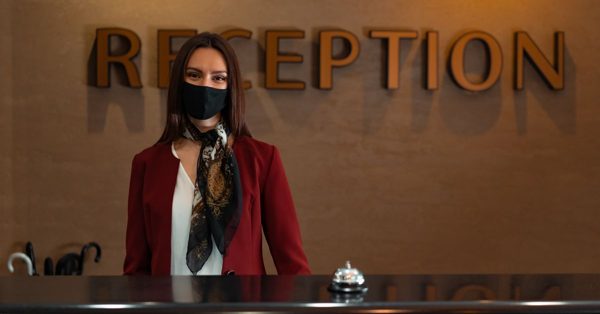
Review and booking platforms AI cites for Irish B&Bs: Tripadvisor, Booking.com, Google and beyond
Read more →
Where AI finds Irish vets: the review sites, directories and booking platforms it cites
Read more →
Where AI finds evidence about Irish optometrists: review and booking platforms that matter
Read more →
Website FAQ for a florist: answering same-day delivery, funeral and wedding questions in your customers' words
Read more →
Vet website pages and FAQs written in your clients' own words so AI can quote them
Read more →
Setting up your bakery's Google Business Profile so AI can quote it accurately
Read more →
Review and booking platforms AI cites for Irish bakeries: Google, Tripadvisor, Facebook and more
Read more →